The Journal · November 2, 2026
Oyster Road: From the Bay to the Table
The lagoon has farmed oysters for decades. We lift ours at dawn, and serve them by noon.
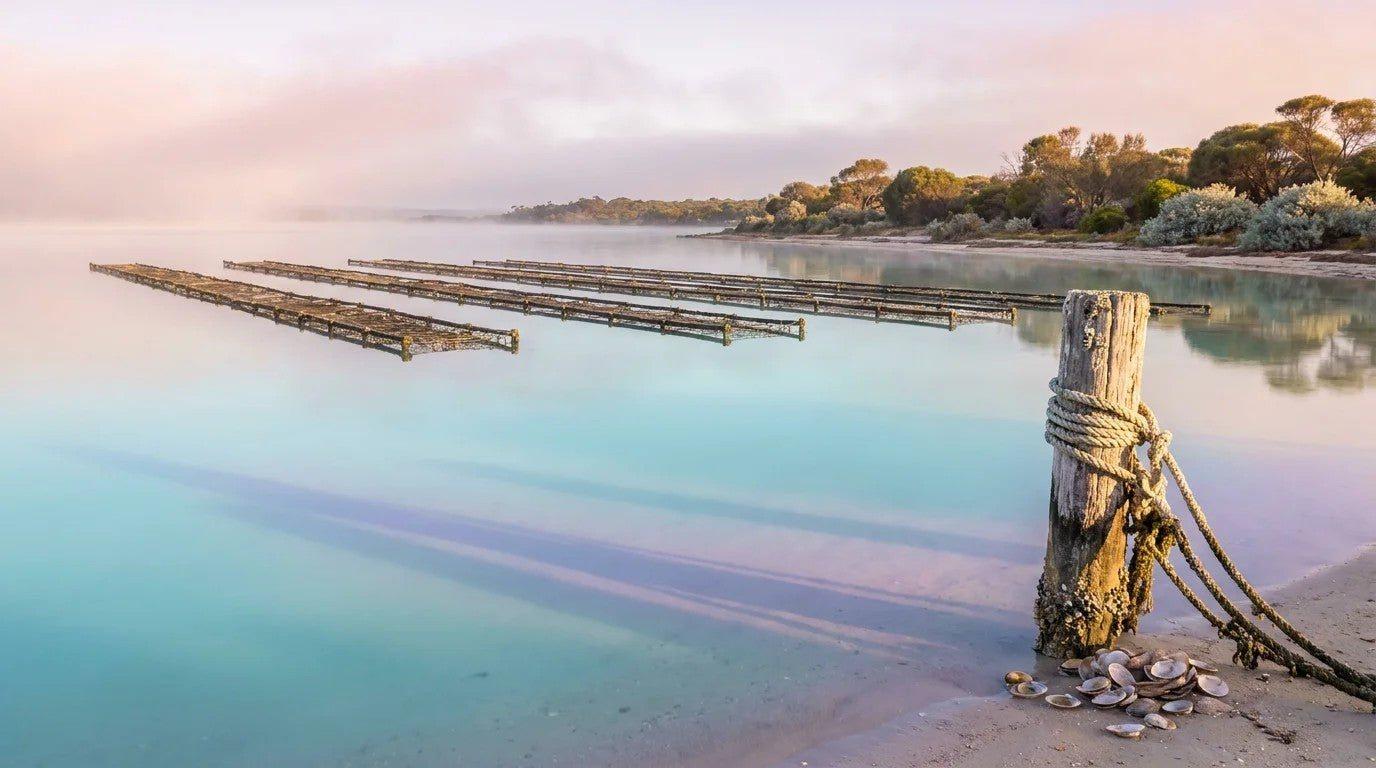
Long before the kite camps, before the first boutique hotel, the lagoon was a farm. Its shallow, sun-warmed, twice-fed water grows oysters slowly and cleanly — the taste of it: cucumber, melon, a clean finish of salt. Drive the lagoon road any morning and you will pass the stakes in tidy rows, the boats waiting for the tide.
The craft is quiet and physical. Farmers grade and turn the beds by hand through the seasons, moving oysters between depths so they fatten evenly, hosing them free of silt. Nothing about it is picturesque until, suddenly, it is: stakes in gold water at dusk, a heron standing sentry on the hundredth post.
You do not import a cuisine onto a lagoon. You sit down where the water works.
At the lodge, the arithmetic is short. Oysters lifted at dawn are on the table by noon — with lemon, with a mignonette, or with nothing but the view. We buy from the nearest beds, we name the farm, and we do not freeze what the lagoon gives us fresh.
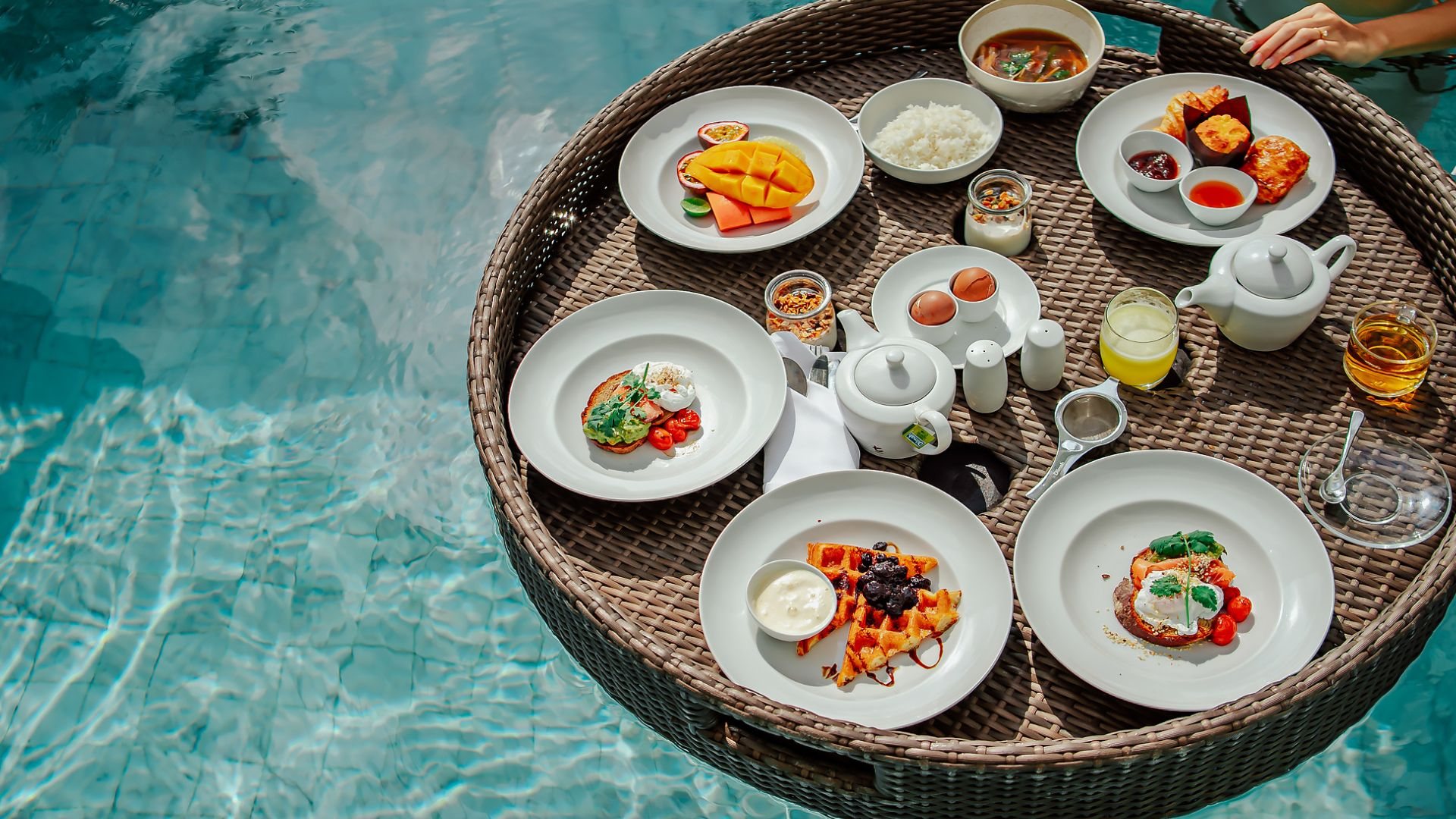
The rest of the table follows the same rule. Fish from the Atlantic side of the peninsula, seasonal and simply cooked. Vegetables from the garden behind the dune. Bread baked in the morning, gone by evening.
It is a small menu because the bay writes it. That has always been the deal here: you do not import a cuisine onto a lagoon. You sit down where the water works.
From the edge of the map — TIVELA, Dakhla