The Journal · November 12, 2026
Reading the Wind: A Season on the Lagoon
Why Dakhla's trade wind sets the clock for everything we do — and how to read it like a local.
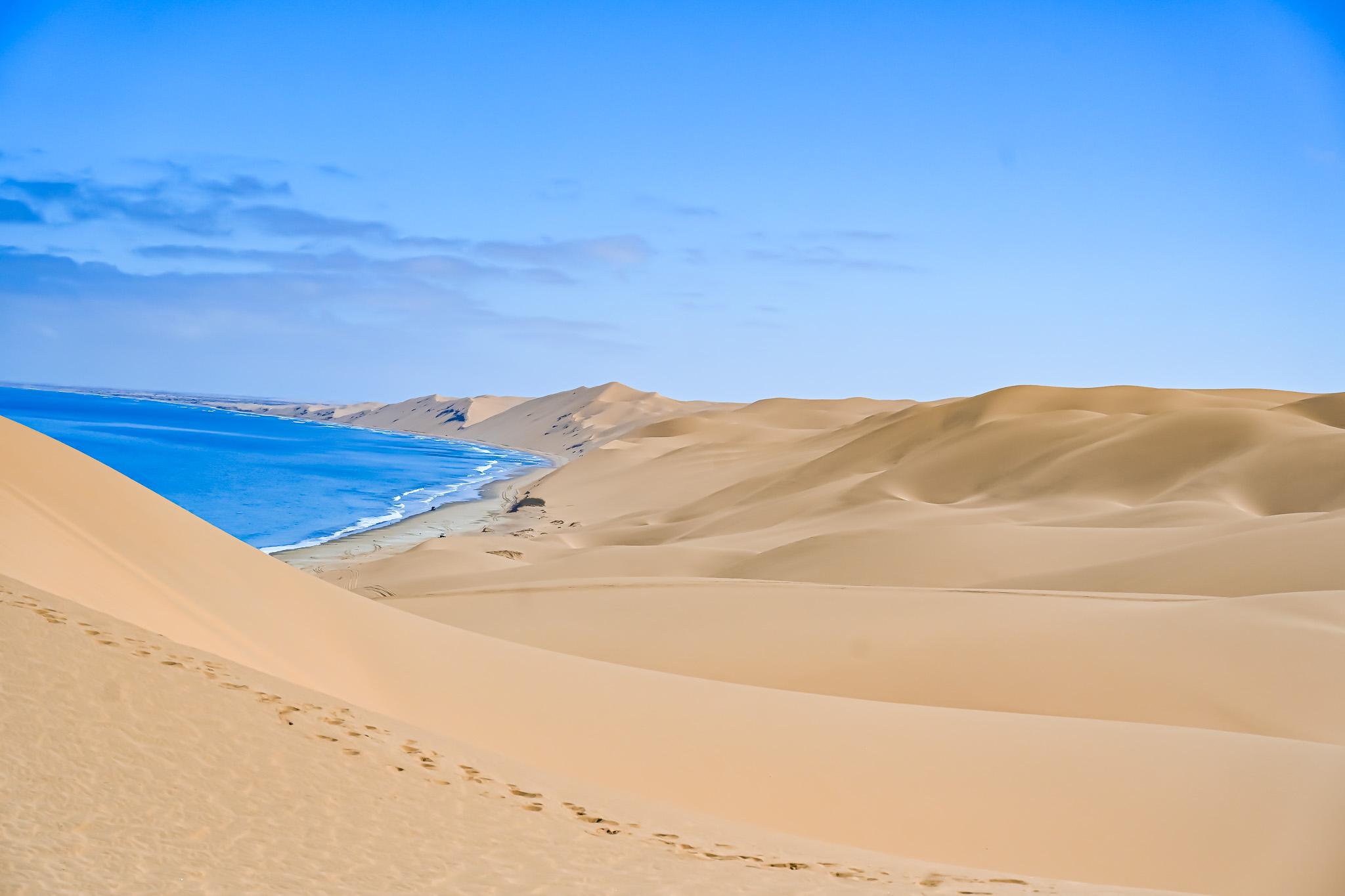
The wind arrives here like staff: on time, every day, with a temperament you learn. Dakhla sits where the Sahara meets the cold Atlantic, and that meeting makes air move. Heated land rises; the ocean pushes in to fill the gap. The result is a trade that has shaped this peninsula longer than any map has described it.
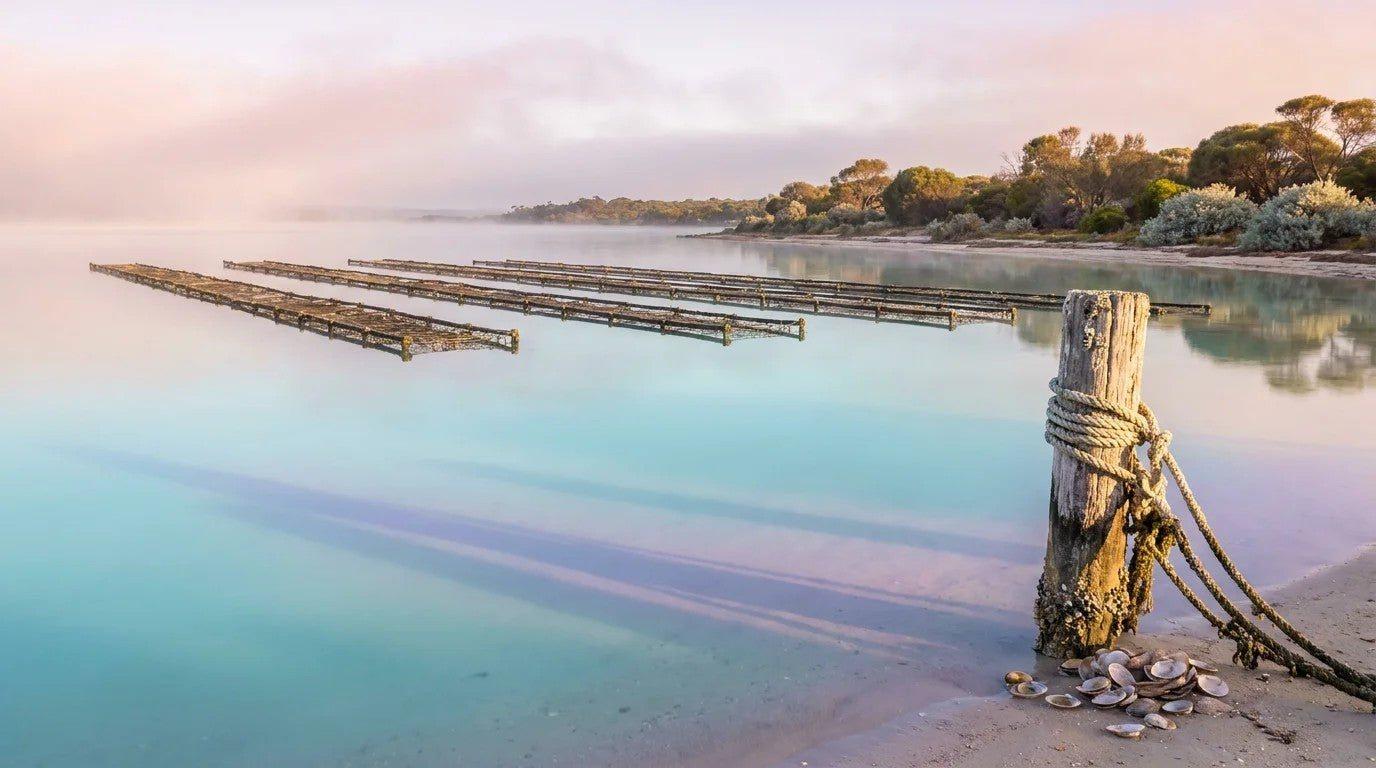
Locals read it in surfaces. Glossy water at dawn means the thermal has not woken yet — the lagoon's quietest hour, the hour of oysters and coffee. By late morning the first ripples cross from the northeast, and by noon the flags stand straight. Every day, the same turn. We plan around it the way farmers plan around rain.
We plan around it the way farmers plan around rain.
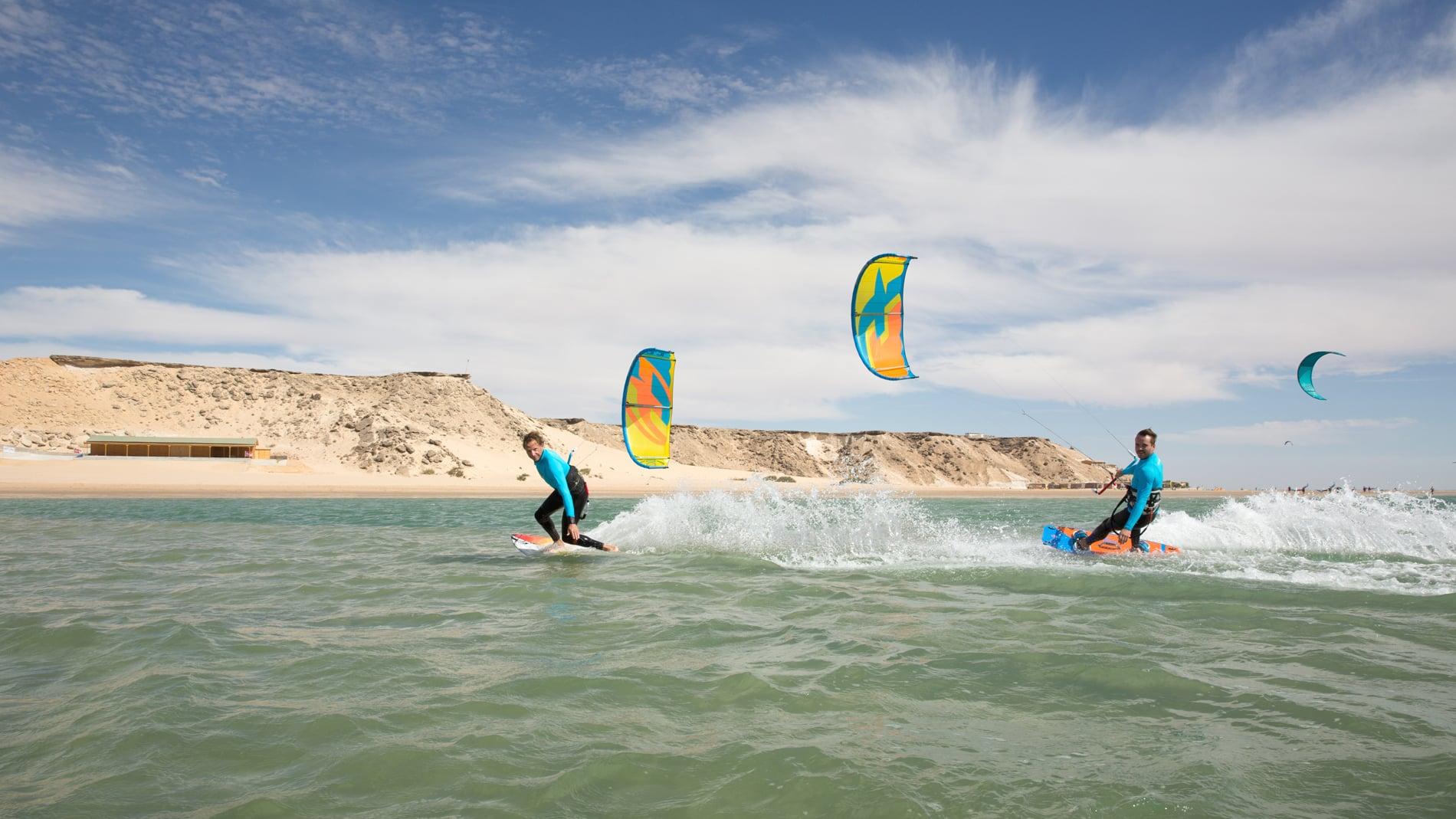
For riders, this is the arithmetic: the flat water inside the lagoon holds the wind without the ocean's chop, which is why beginners end their first week planing and why veterans come back every year. The season stretches nearly the whole calendar — the strongest months in summer, the steadiest in spring and autumn, and in winter a softer, colder air that belongs to walkers and stargazers.
The lodge is designed with the same respect. Roofs lean with the trade, not against it. Terraces sit in the wind shadow of the dune line. Even the orientation of each key follows it — eight to fifteen degrees of rotation, so every deck gets breeze without spray.
Come for a week and you will start reading it too — checking the water before your coffee, planning the day around the turn at noon. That is the point. The wind is not an amenity here. It is the host.
From the edge of the map — TIVELA, Dakhla